A membrane that starts as a liquid
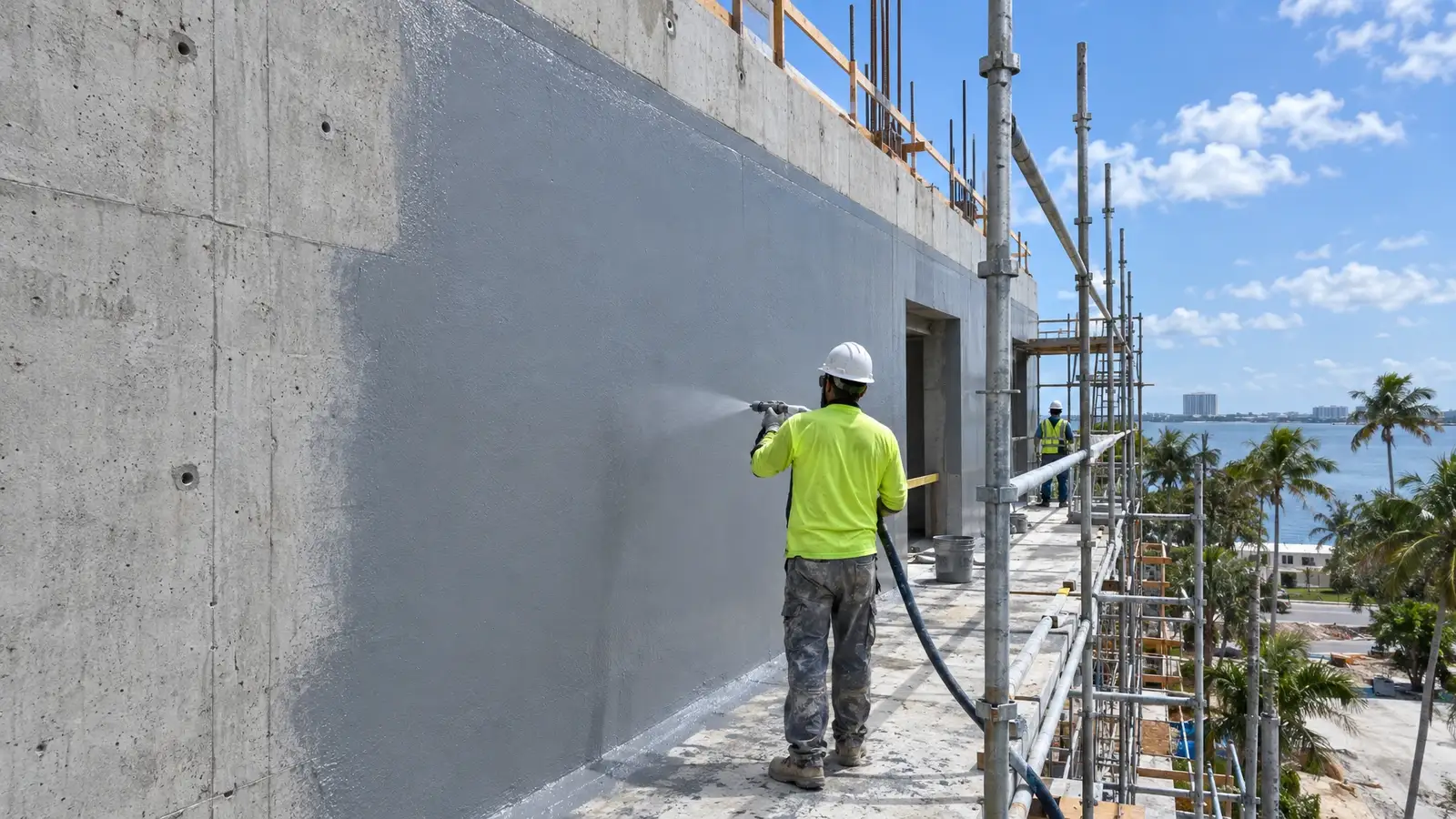
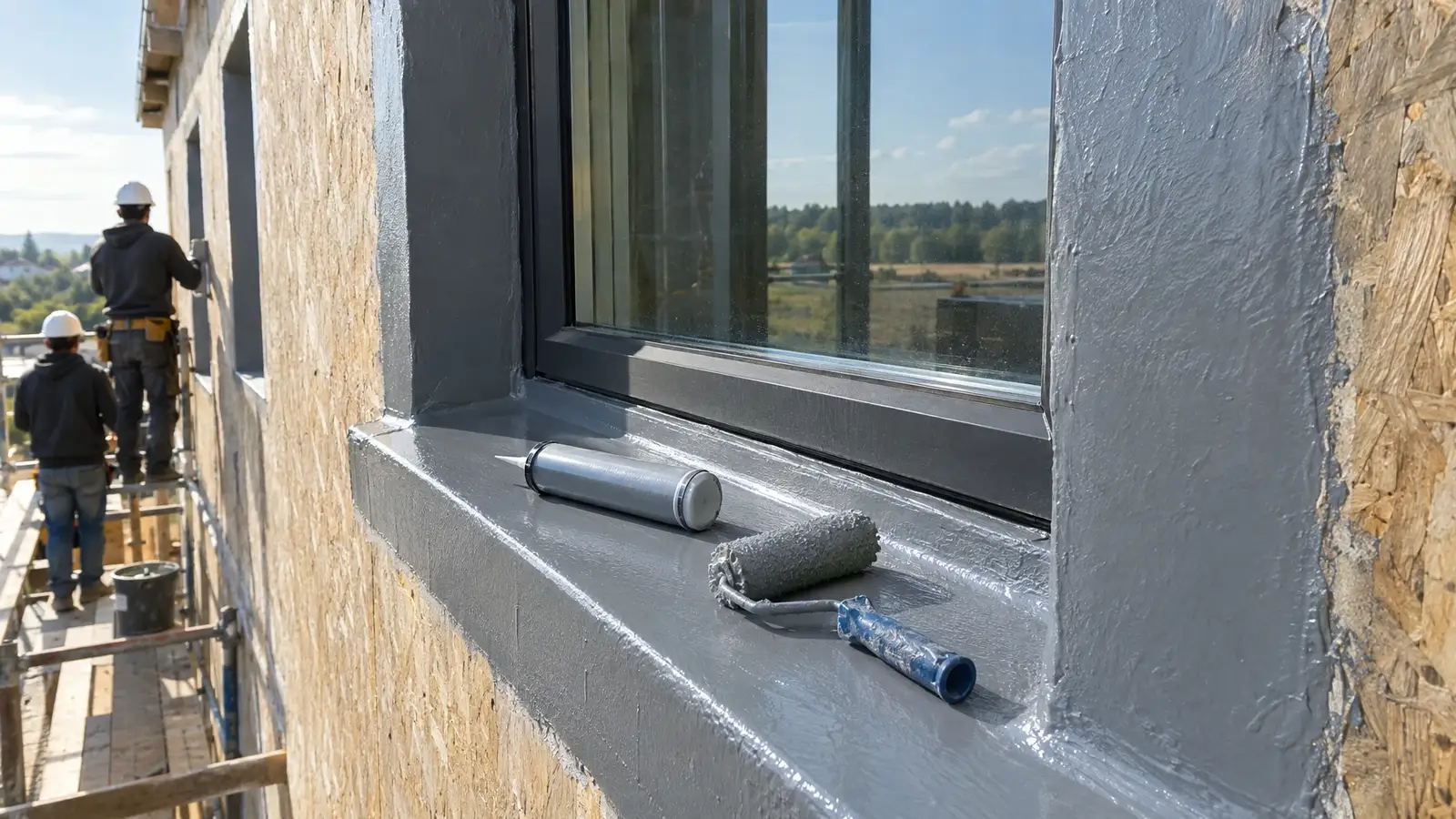
Liquid applied flashing is a coating that is rolled, brushed, troweled or sprayed onto a wall or opening. It cures into a flexible, seamless, bonded membrane with no overlaps for water to find.
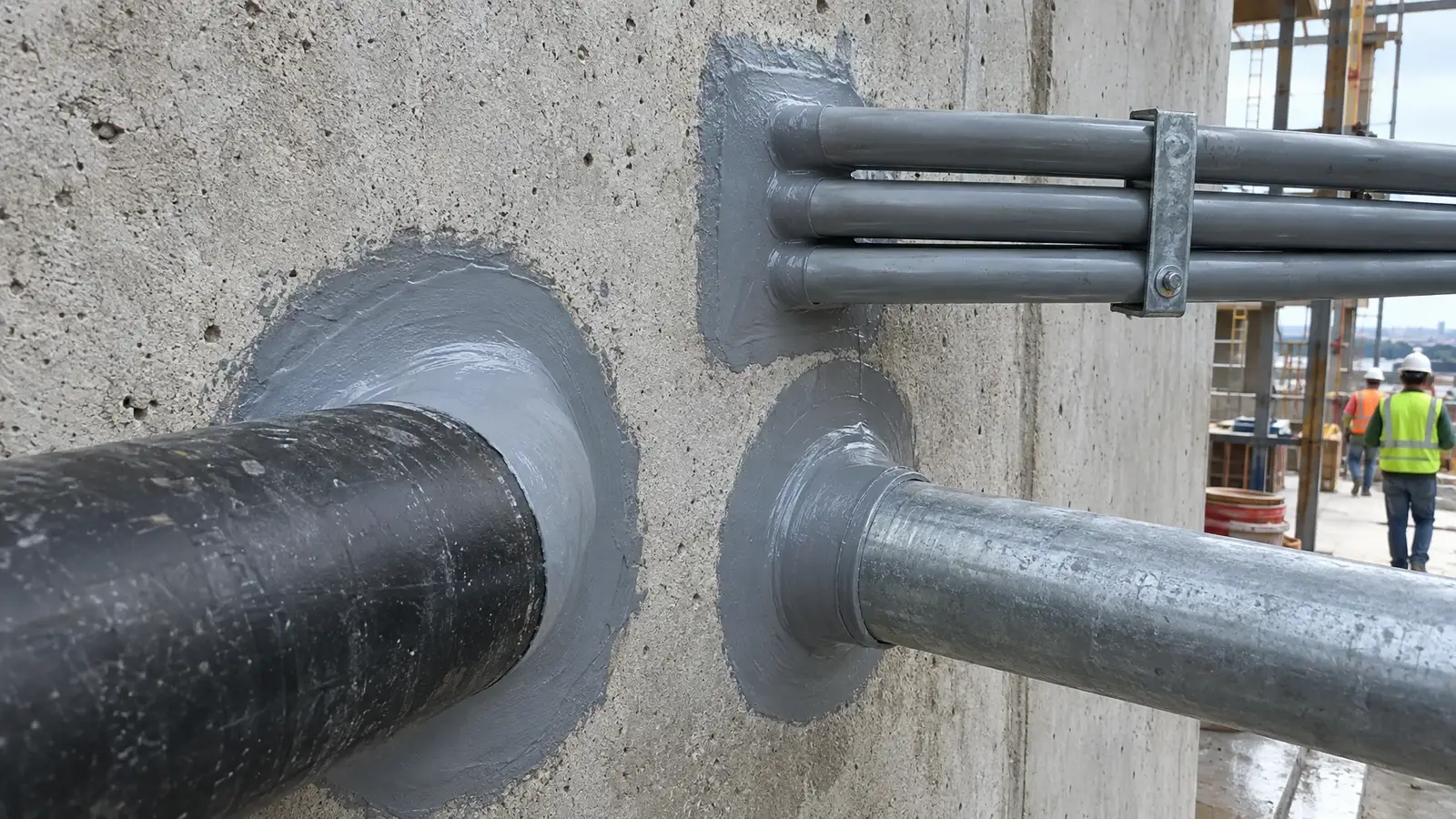
Because it is liquid, it fits curves, corners and clustered penetrations that tape and sheet flashing handle poorly.
Where it is used
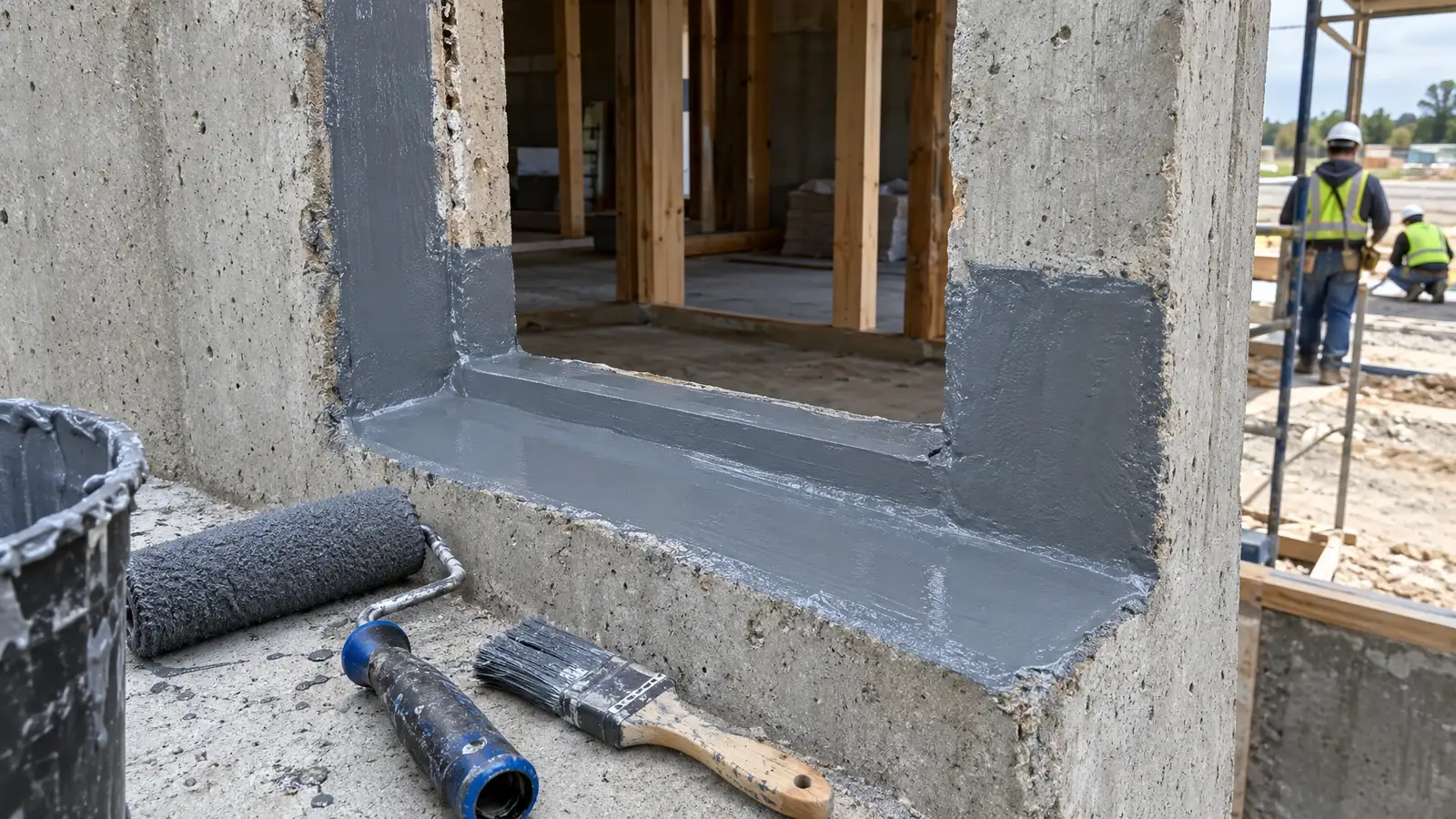
The most common uses are the rough openings for windows and doors, the joints between walls and roofs, pipe and conduit penetrations, balcony and terrace details and, with the right product, entire wall surfaces as an air and water barrier.
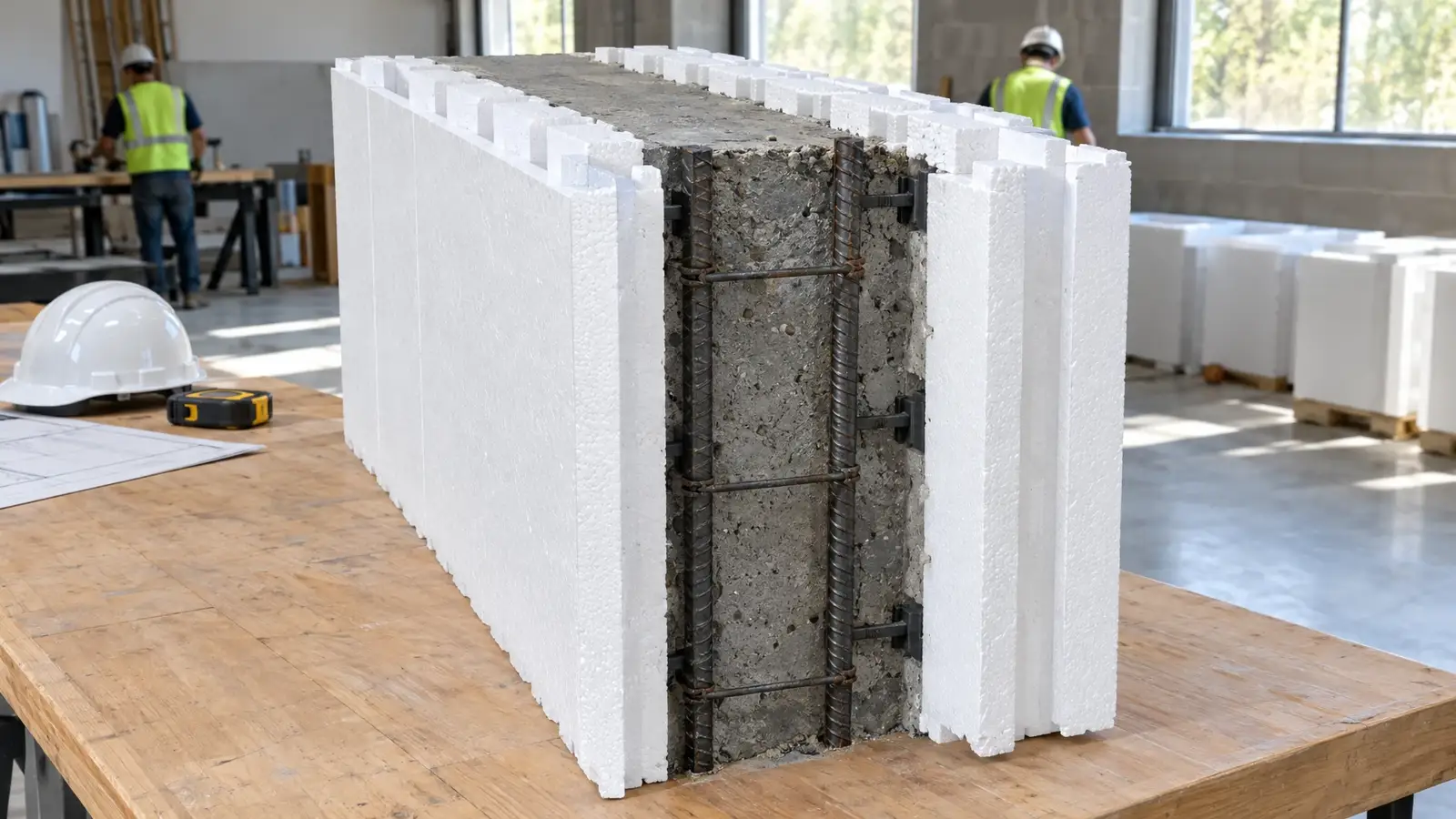
It bonds to concrete, masonry, ICF foam, wood and many metals when the surface is clean and sound.
How it is installed
The surface is cleaned and primed if the product calls for it, reinforcing fabric goes into corners and joints and the membrane is applied to the thickness the manufacturer specifies. It is allowed to cure before windows are set or the next layer is applied.
Thickness and coverage matter, so checking each opening is part of the job.
What to watch for
Check that the membrane is compatible with the sealants, windows and finishes it will touch. Follow the manufacturer’s cure and recoat times, and photograph each opening before it is covered.
Flashing works only where it is continuous, so the details at the transitions decide the result.