One code, many wind speeds
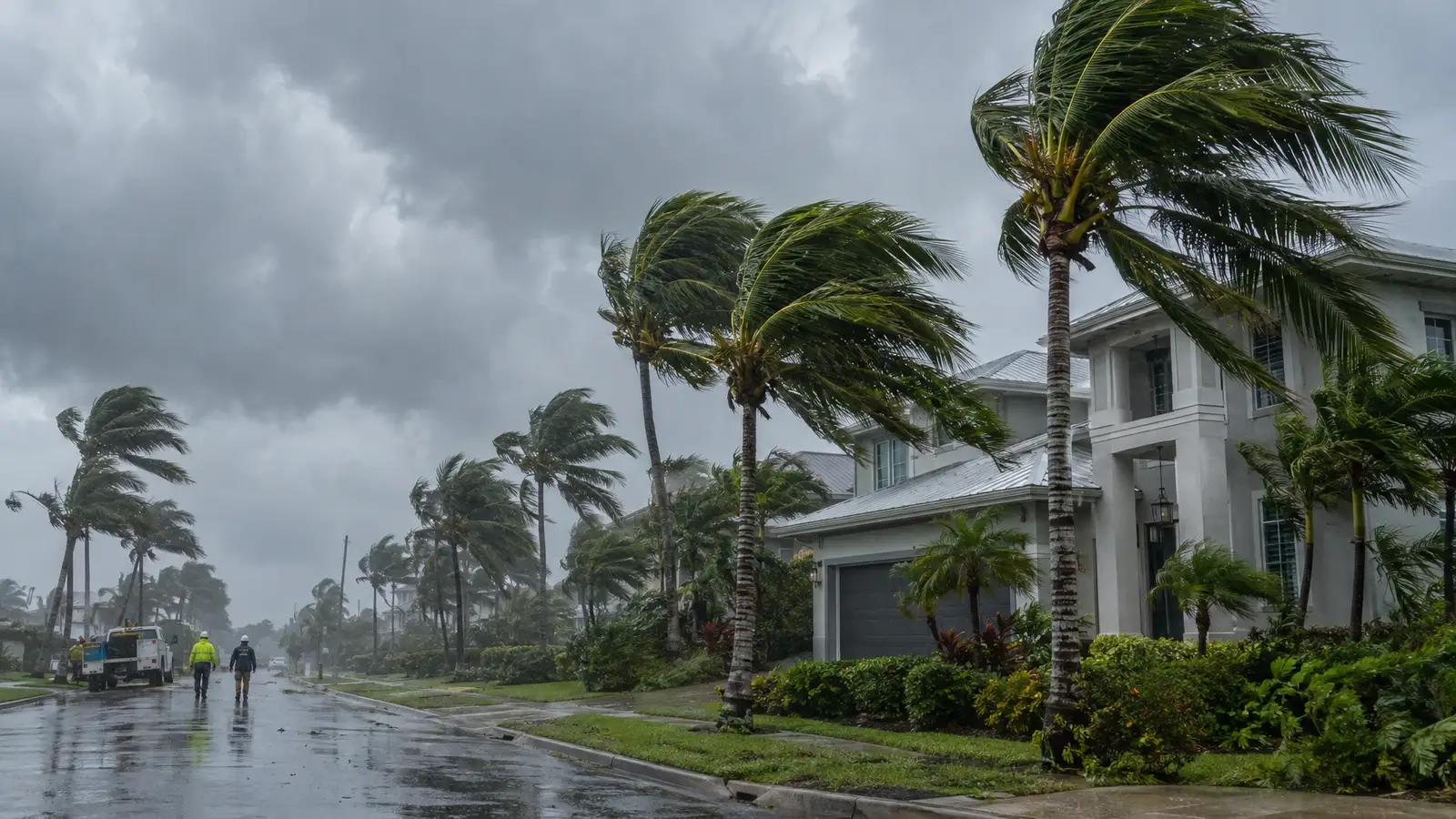
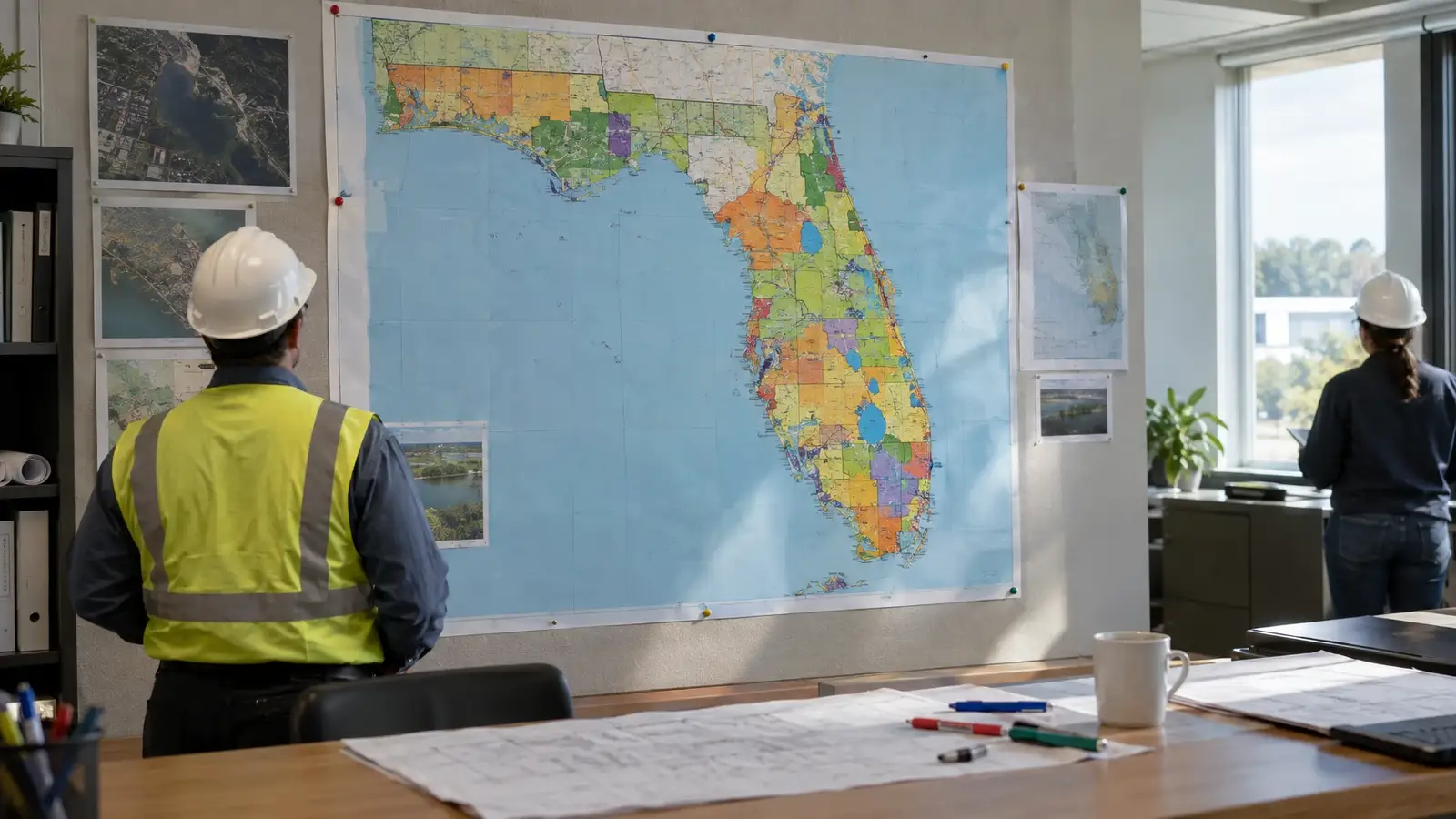
Florida follows the Florida Building Code, which is updated on a three-year cycle. It uses design wind speeds drawn from the national standard ASCE 7, and those speeds are higher on the coasts and lower inland.
Your project’s design wind speed depends on its location and its risk category, and the engineer or designer determines it.
Wind-borne debris regions
In a wind-borne debris region, openings must be protected from flying debris. In general, that covers areas within one mile of the coast where the design wind speed is 130 miles per hour or higher, and areas anywhere with design speeds of 140 miles per hour or higher.
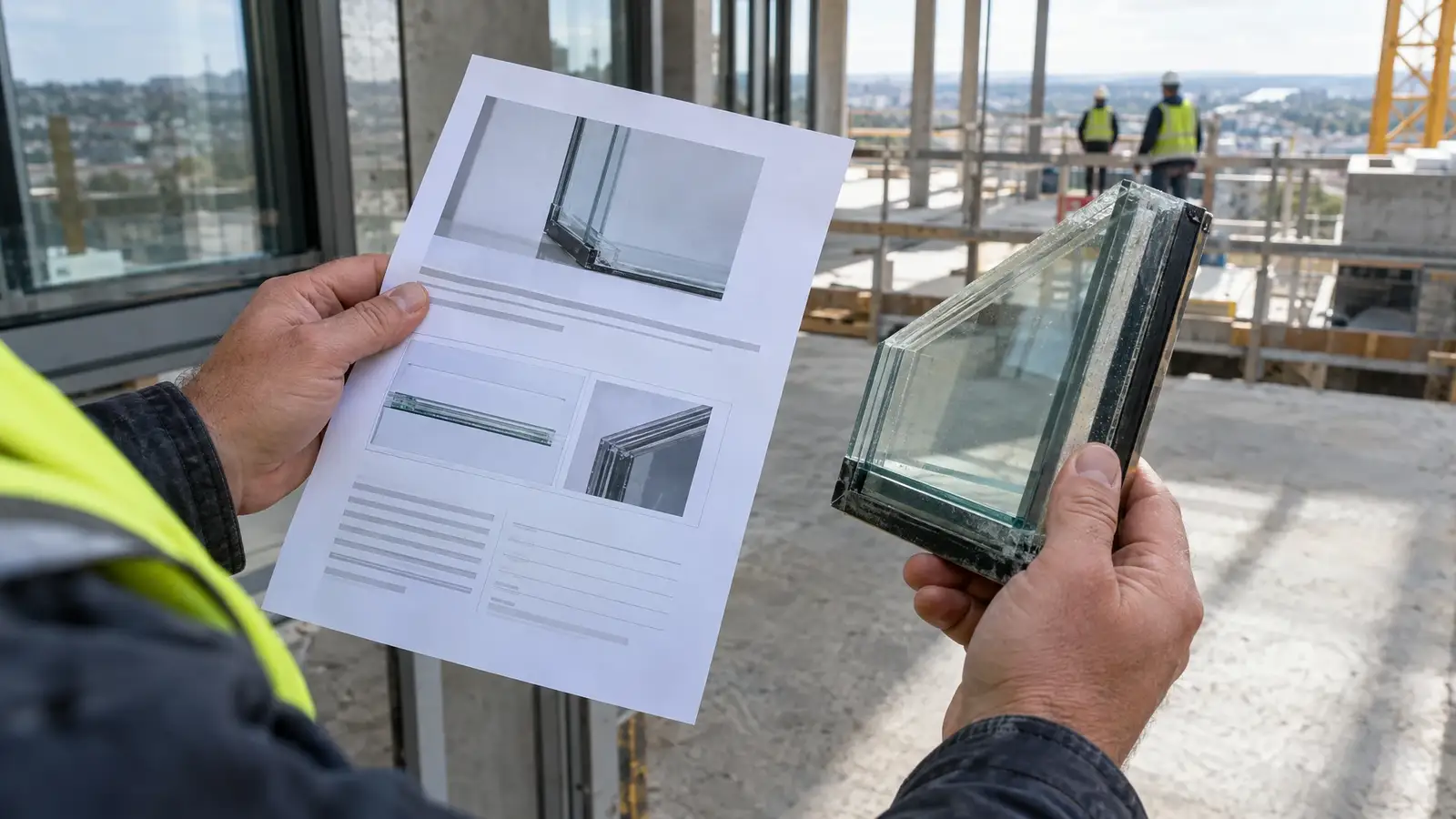
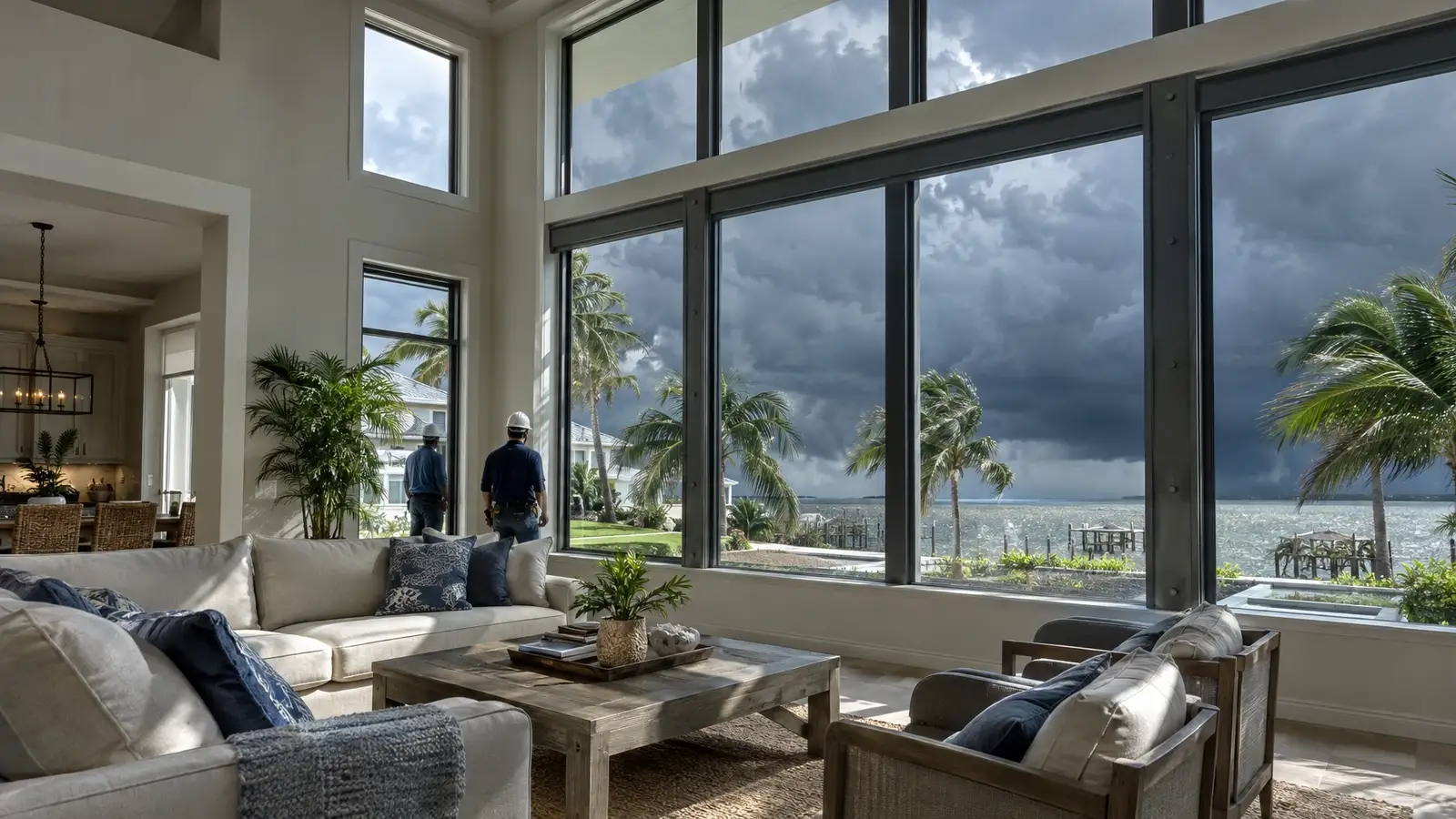
Protection can come from impact-rated glazing or approved shutters, and the products must carry approvals.
The High-Velocity Hurricane Zone
Miami-Dade and Broward counties form the High-Velocity Hurricane Zone, or HVHZ, with extra requirements for materials, testing and approvals. Products used there typically need a Miami-Dade Notice of Acceptance.
Builders in other counties often choose HVHZ-approved products for added confidence.
Talk to your building department
Local officials interpret and enforce the code, and local amendments exist. Before you order, ask which design wind speed and which approvals apply to your address.
Your design professional and the building department are the authority on what your project must meet.