Think like water
Water runs downhill and sideways. A good flashing detail makes every layer lap over the layer below it, like shingles, so water is always directed out and away from the wall.
That is why the order of work matters.
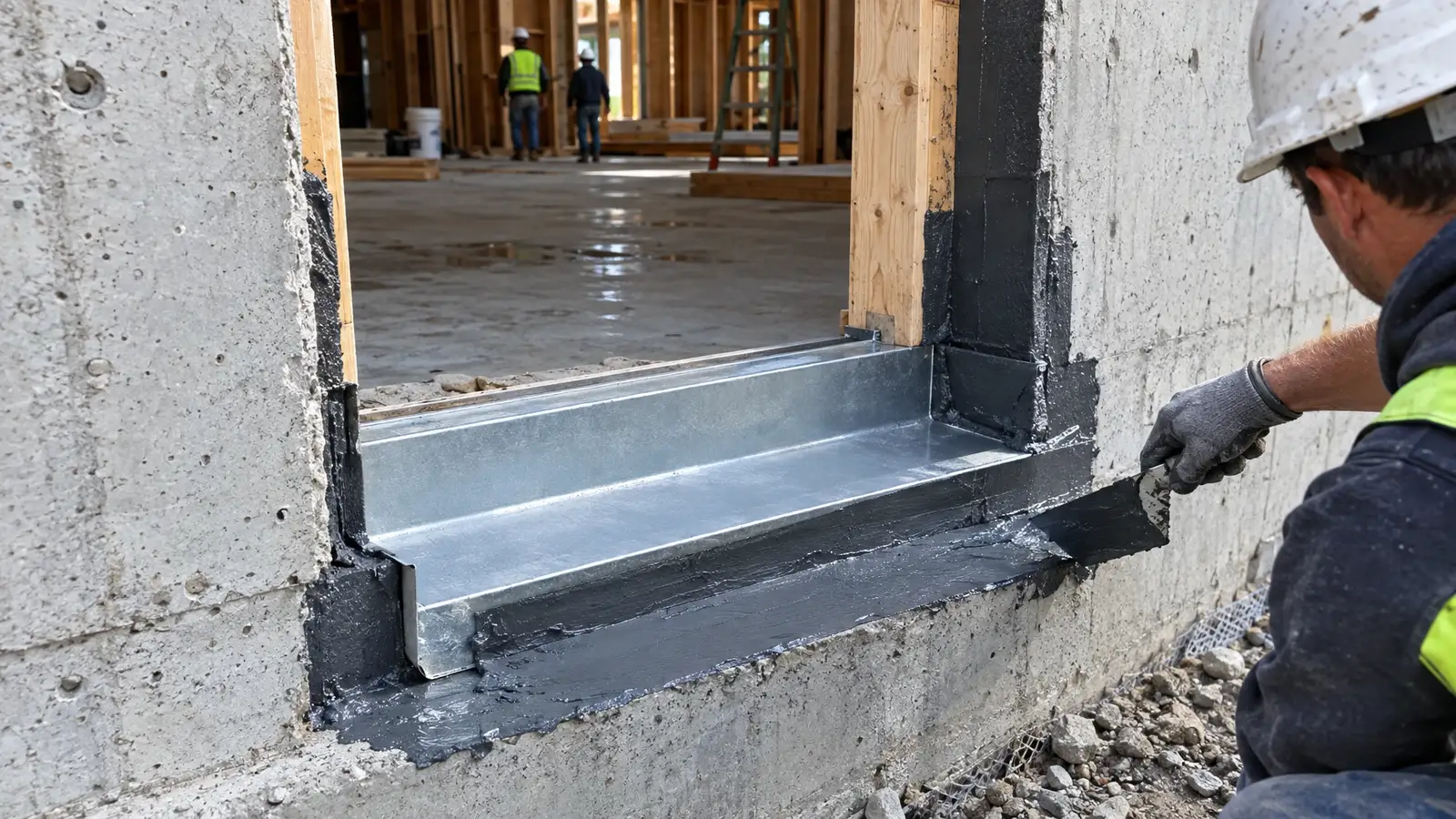
Start at the sill
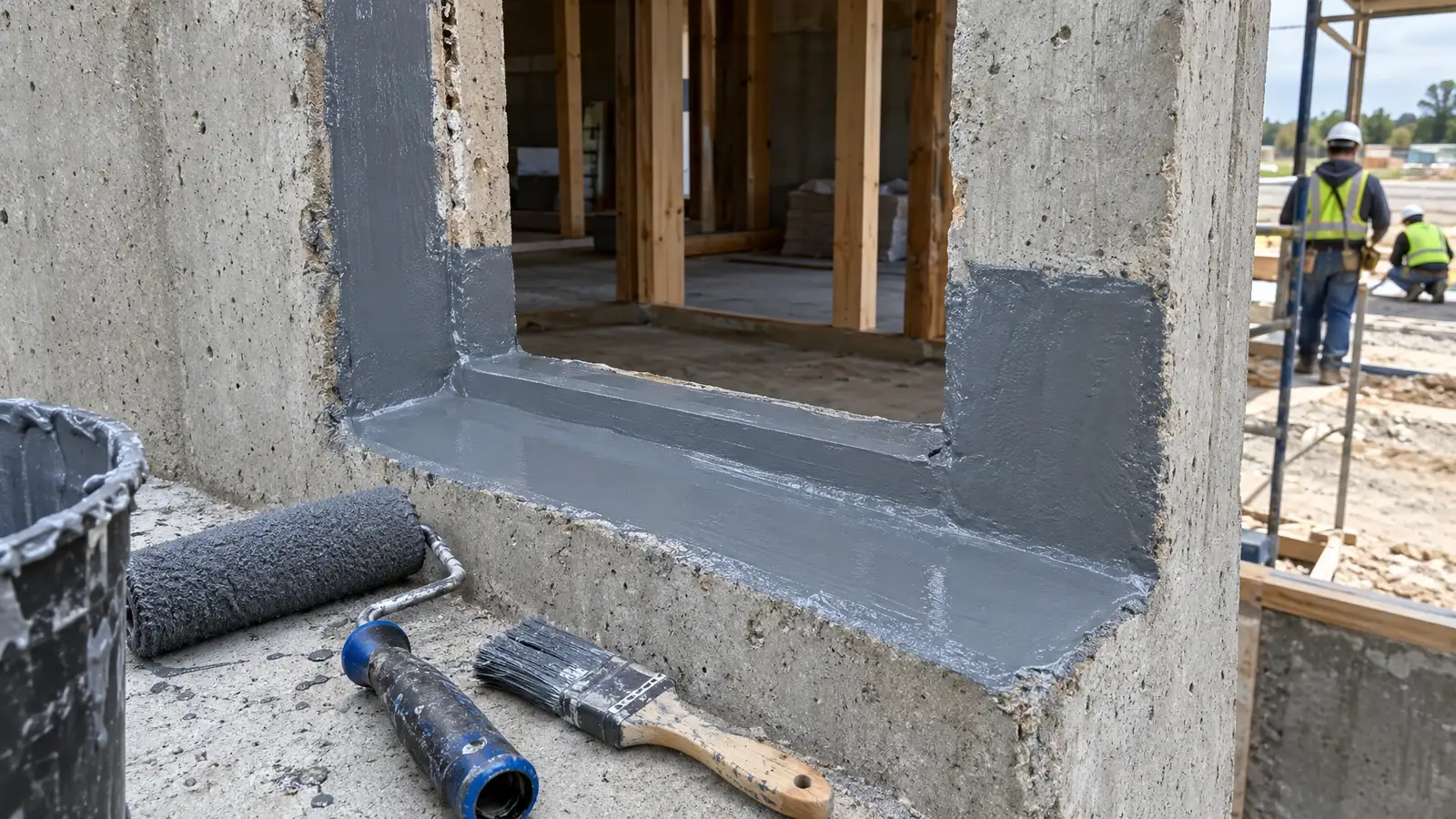
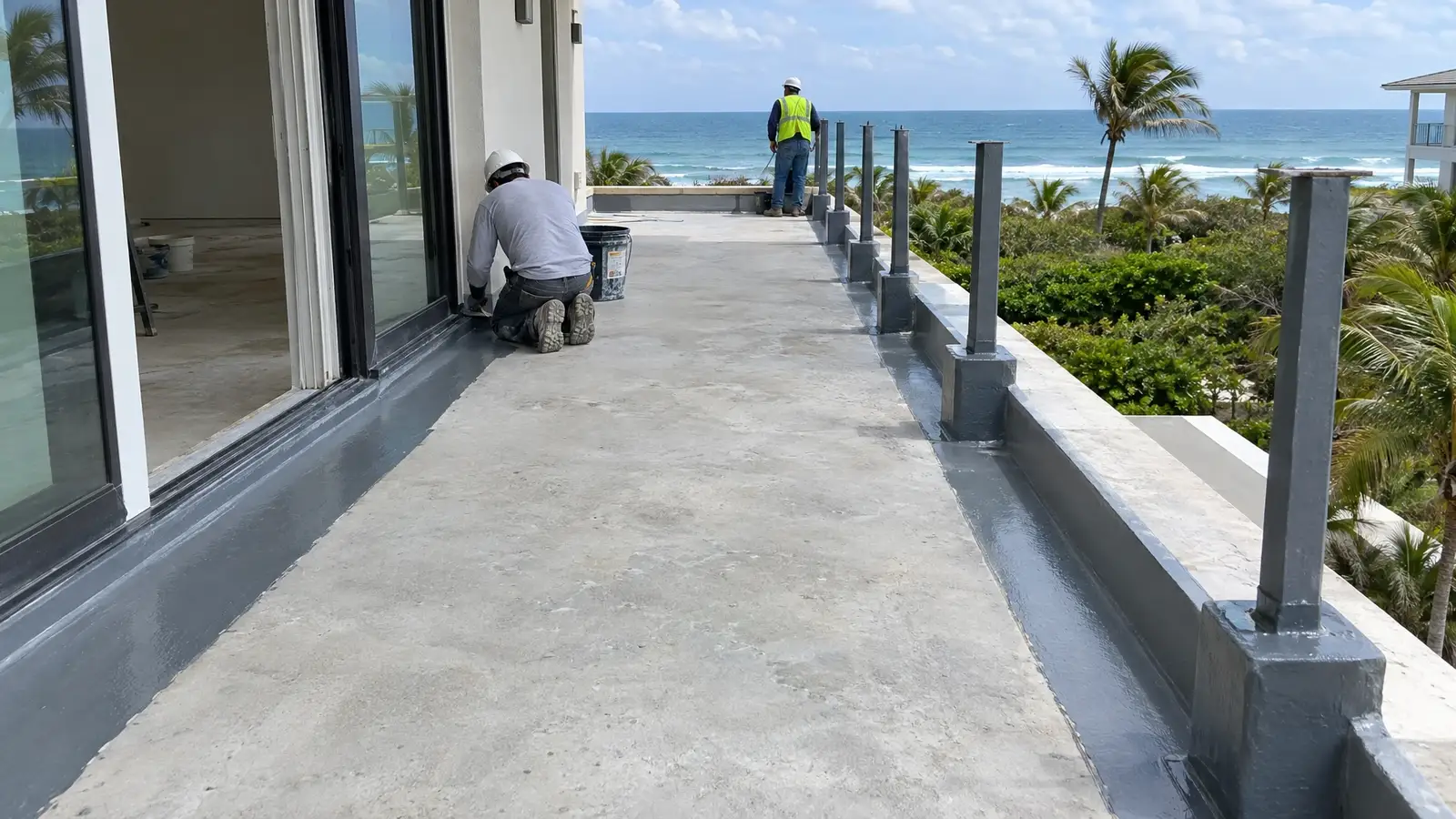
The sill is the most critical part of the opening. A sill pan or a membrane that slopes to the exterior catches any water that gets behind the window and sends it back out. At doors, the threshold needs the same attention.
Seal the corners with no gaps.
Then the jambs and head
Next come the jambs, which lap over the sill membrane, and last the head, which laps over the jamb membranes. With liquid applied flashing, the membrane is continuous and the same logic applies to the order of coats and fabric.
Windows are set into the flashed opening, following their installation instructions.
Check before you cover
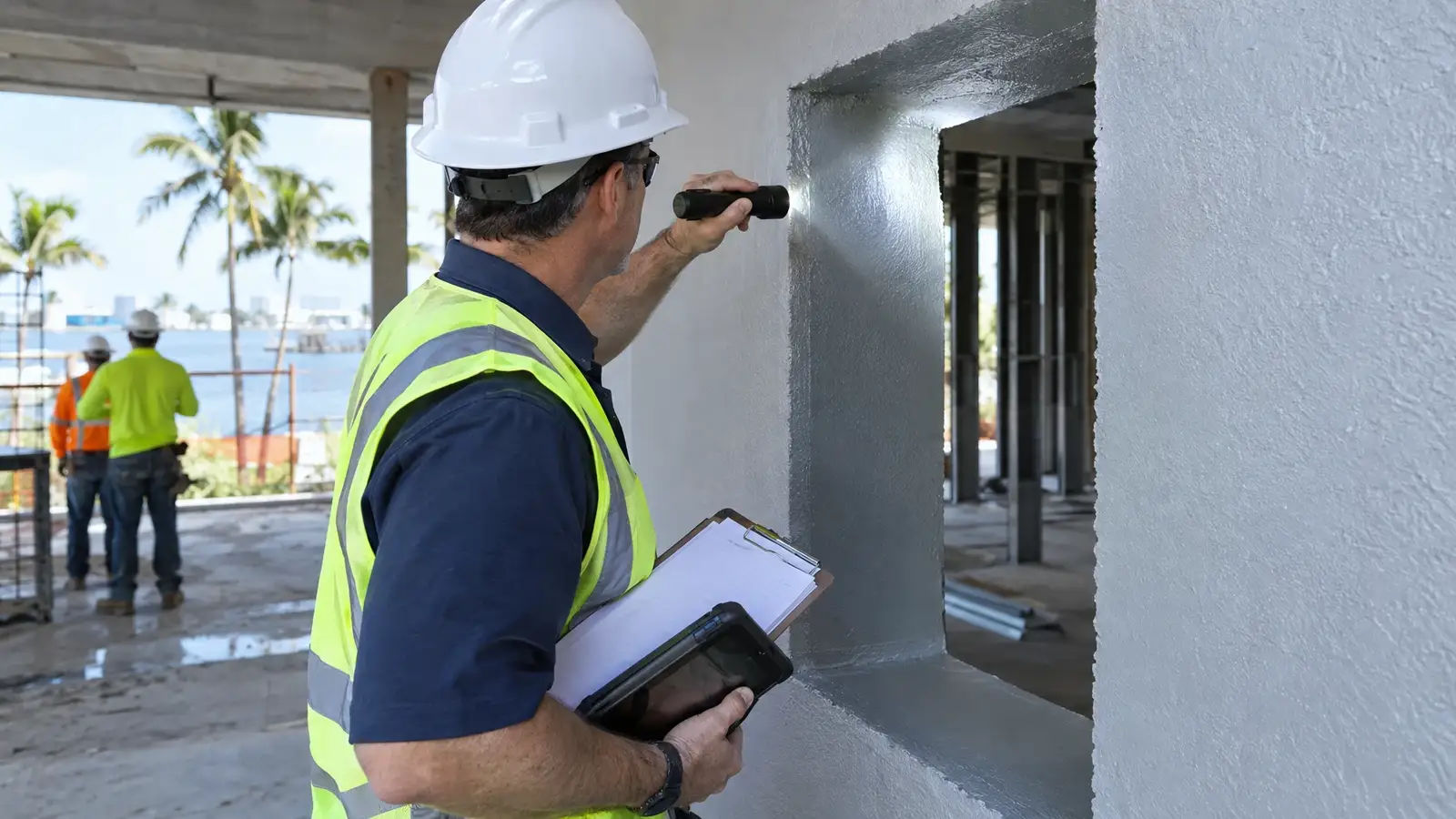
Photograph each opening. Check for full coverage, correct overlap and compatible sealants. Follow the window manufacturer’s instructions and any standard the project requires, such as ASTM E2112 for installation of windows and doors.
Inspect before the cladding goes on.